+1 877 781 3006
 (52) 554-870-5682

Cross border logistics between the US and Mexico is critical when it comes to supply chains in North America. With billions of dollars in goods moving across the border each year, even small disruptions can create major delays, increase freight costs, and impact production schedules.
If your freight is crossing the southern border, understanding what causes delays at the US–Mexico border can help you plan ahead.
At Native American Logistics, we specialize in cross border logistics solutions and work closely with partners on both sides of the border (including our office in Mexico) to keep freight moving efficiently.
Here’s what typically causes delays:
1. Incomplete or Incorrect Customs Documentation
One of the most common causes of border delays is paperwork errors. Cross border freight requires precise documentation, including:
- Commercial invoices
- Bill of lading
- Certificate of origin (USMCA documentation)
- Import/export permits
- Customs declarations
Even small discrepancies, incorrect product descriptions, mismatched weights, or missing HS codes can trigger inspections or holds.
How to avoid it: Work with a logistics provider that verifies documentation before freight reaches the border and coordinates closely with customs brokers.
2. U.S. Customs and Mexican Customs Inspections
Random inspections are a normal part of cross-border freight management. However, some shipments are flagged for additional review due to:
- Product type (food, chemicals, electronics, etc.)
- High-value cargo
- Inconsistent documentation
- Security screening requirements
- Inspections can add hours or days to transit time.
Pro tip: Proper cargo classification and accurate declarations significantly reduce inspection risks.
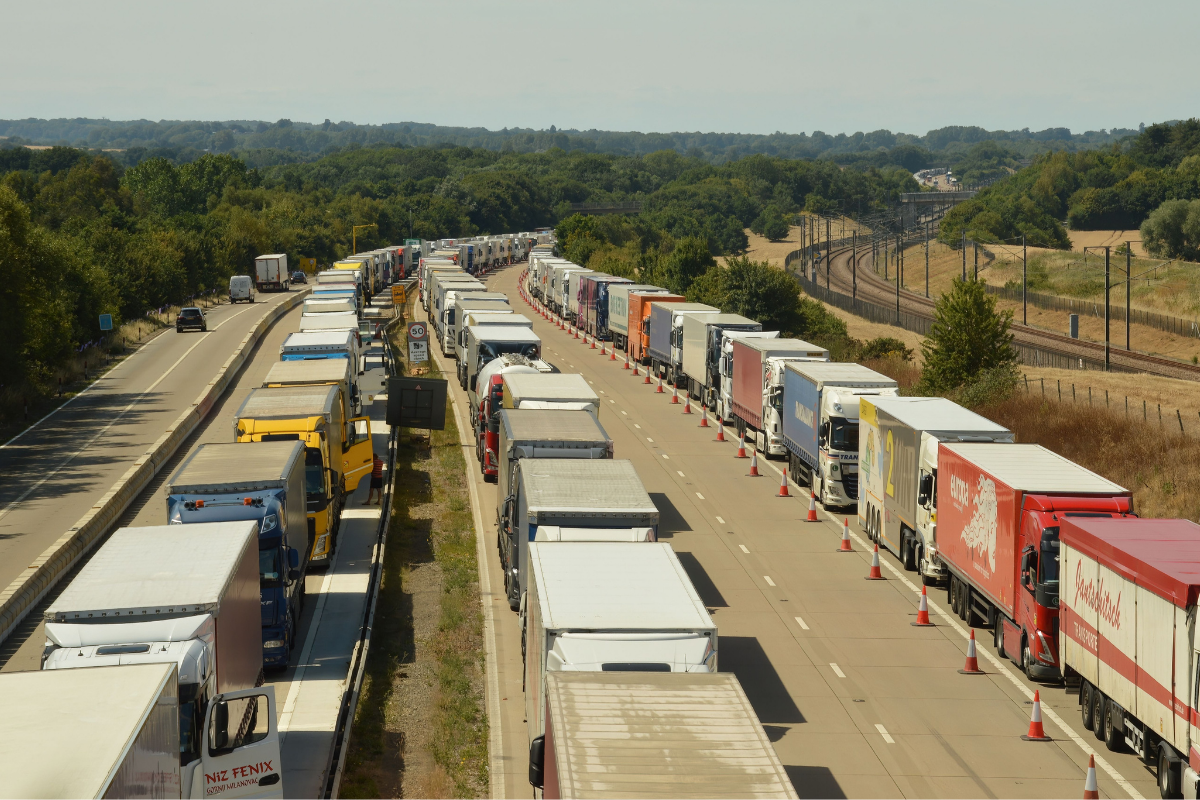
3. Congestion at Border Crossings
Certain ports of entry like Laredo, El Paso and Otay Mesa handle extremely high freight volumes. Peak congestion periods often include:
- End of quarter shipping surges
- Holiday seasons
- Agricultural peak seasons
- Manufacturing production spikes
- When truck volumes increase, wait times grow.
Solution: Strategic route planning and real-time monitoring can help reroute freight when needed.
4. Carrier Capacity Issues
Cross border freight requires specialized carriers with proper insurance, permits, and compliance documentation.
If capacity tightens due to:
- Seasonal demand
- Fuel price fluctuations
- Regulatory changes
- Driver shortages
Shipments may be delayed before they even reach the border.
At NAL, we leverage strong carrier relationships and proactive capacity management to secure reliable transportation for our customers.
5. Security and Compliance Changes
Border policies and enforcement priorities can shift based on regulatory updates or security concerns. Increased enforcement can result in:
- Longer inspection times
- Additional verification procedures
- Temporary slowdowns at ports of entry
Staying compliant with evolving regulations is essential to avoid unexpected delays.
6. Cross-Dock and Transfer Coordination Delays
Many shipments crossing the US–Mexico border require:
- Trailer swaps
- Drayage services
- Transloading
- Cross-docking between US and Mexico carriers
If coordination between parties isn’t seamless, freight can sit waiting for equipment or paperwork clearance.
Having logistics teams on both sides of the border improves communication and speeds up transitions.
7. Weather and Infrastructure Disruptions
Severe weather, road construction, and infrastructure limitations can impact both highway access and border facilities.
Flooding, high winds, and extreme heat can affect:
- Border wait times
- Inspection processing
- Carrier transit schedules
Advanced planning and contingency routing help minimize disruption.
How to Reduce Border Delays in Cross-Border Logistics
While some delays are unavoidable, many can be prevented with proactive freight management and logistics optimization.
Here’s how businesses reduce border disruptions:
- Partner with an experienced cross-border logistics provider
- Pre-validate customs documentation
- Work with reliable customs brokers
- Monitor freight in real time
- Plan for peak shipping seasons
- Build buffer time into critical shipments
At NAL, we provide personalized cross-border logistics solutions designed to keep your freight moving. With an office in Mexico and strong relationships across North America, we offer the visibility, communication, and proactive planning needed to reduce border delays.
Why Cross-Border Expertise Matters
US–Mexico trade continues to grow, making efficient cross-border freight management more important than ever. The right logistics partner doesn’t just react to delays, they anticipate them.
If your supply chain depends on reliable cross-border transportation, having a 3PL that understands customs compliance, capacity management, and real-time visibility makes all the difference.
Let’s Keep Your Freight Moving
Looking for dependable cross-border logistics support? We specialize in:
- US–Mexico cross-border logistics
- Freight management
- Logistics optimization
- Premium transportation solutions
- Supply chain solutions tailored to your business
Contact our team today to streamline your cross-border shipments and reduce costly delays.