+1 877 781 3006
 (52) 554-870-5682
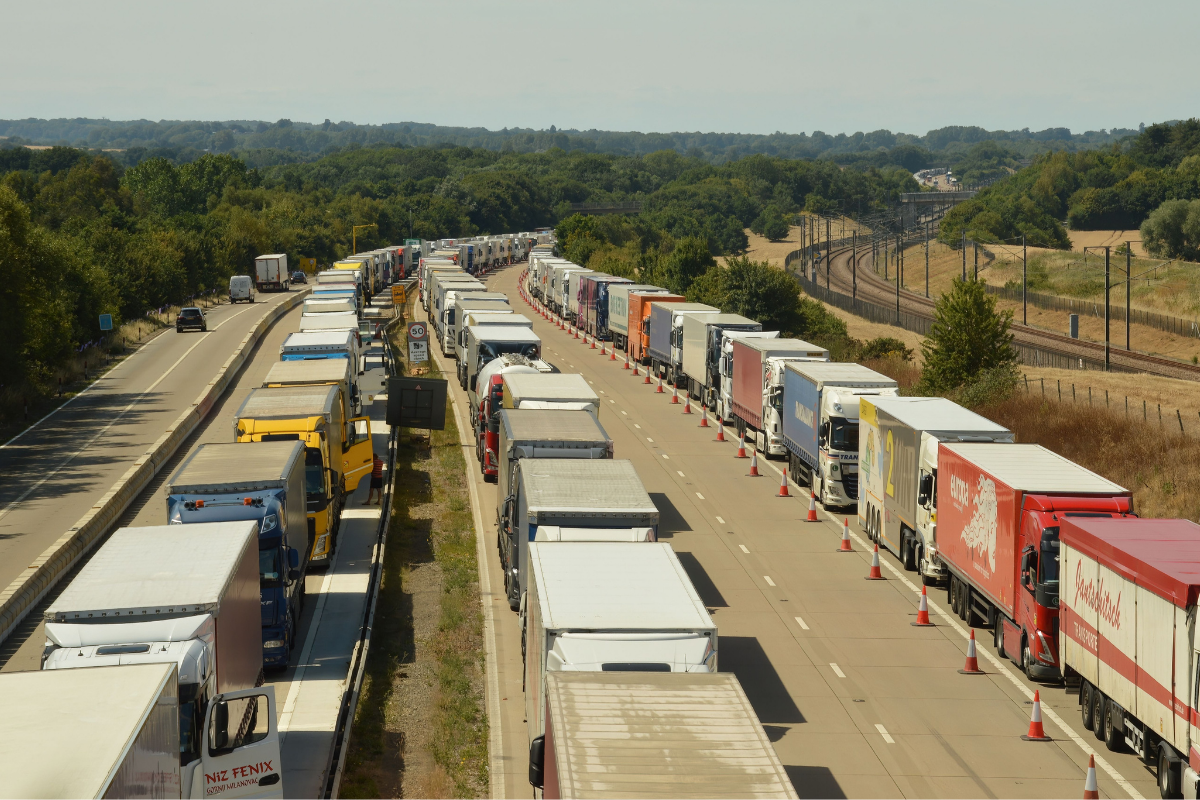
At 6:30 on a Monday morning, a plant manager stared at a line of idle workers. A critical shipment had been delayed overnight, and production was grinding to a halt. The frustrating part was not just the delay. It was the cost. Expedited freight had been used to recover the situation, wiping out the margin on the order.
Situations like this happen every day across supply chains. Companies scramble to fix problems quickly, often throwing money at the issue just to keep things moving. Over time, those quick fixes become habits. Costs creep up. Margins shrink. And leaders are left asking a tough question: how do we reduce supply chain costs without hurting quality or service?
The answer is simple. It’s building smarter systems, stronger partnerships, and better visibility so you spend less while delivering more.
Why Cost Reduction Often Backfires
Many companies approach cost reduction by focusing on the obvious targets. They push for lower freight rates, reduce carrier options, or cut internal resources. While these moves can show short term savings, they often create hidden problems.
Lower rates can mean unreliable carriers. Fewer options can lead to capacity issues during peak seasons. Reduced oversight can increase errors, delays, and customer complaints.
The result is a cycle where companies save a little upfront but pay more later in the form of disruptions, penalties, and lost business.
Real cost reduction comes from improving how the supply chain operates, not just trimming expenses.
Start with Visibility Before Making Changes
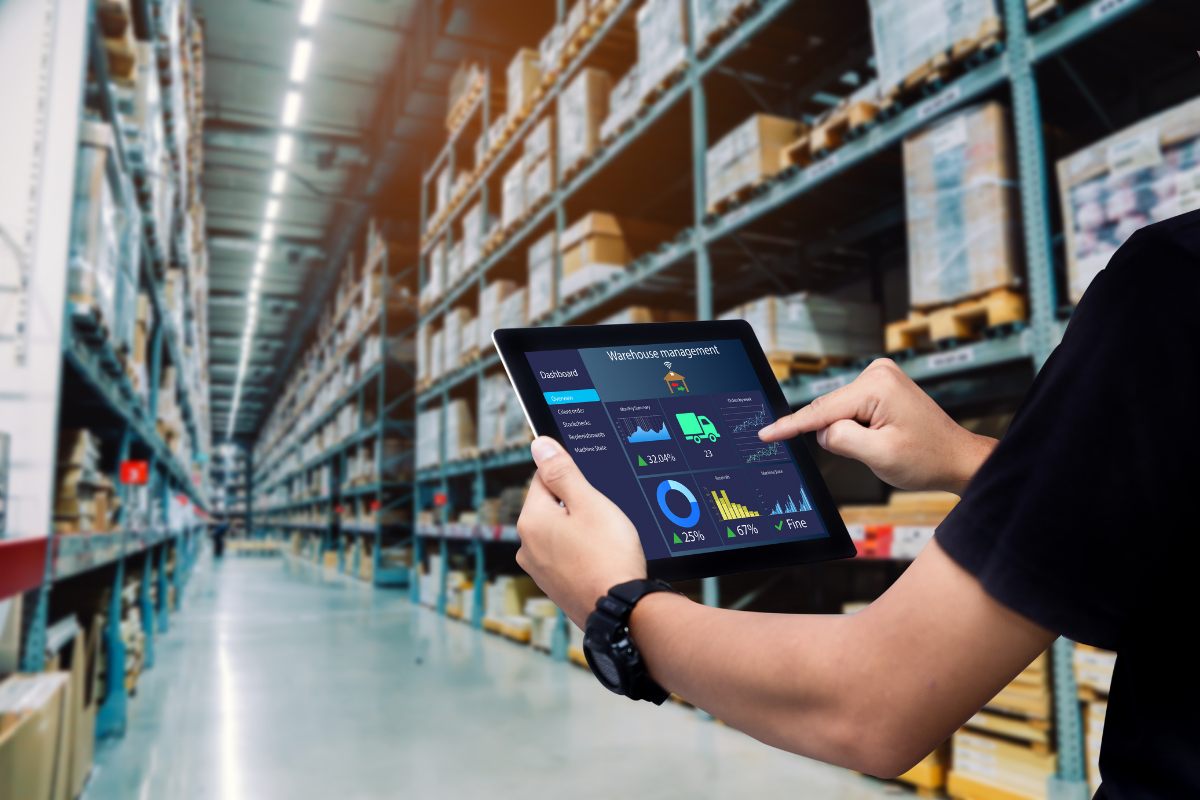
You cannot fix what you cannot see. One of the biggest drivers of unnecessary cost is a lack of clear, real time visibility across shipments, carriers, and performance.
When teams do not have accurate data, they rely on guesswork. That leads to over-ordering, inefficient routing, and reactive decision making.
Improving visibility does not always require a massive investment. Even simple track and trace tools can help teams understand where delays happen, which carriers perform best, and where inefficiencies are hiding.
Build a More Efficient Transportation Strategy
Transportation is one of the largest supply chain expenses, which makes it a prime area for improvement. However, the goal should be to find the most efficient one.
Consolidating shipments is a powerful way to reduce costs. Instead of sending multiple partial loads, combining freight into full truckloads can significantly lower the cost per unit. Planning ahead also reduces the need for expensive expedited shipping.
Mode optimization is another key factor. Not every shipment needs to move at the fastest speed. Evaluating when to use full truckload, less than truckload, or intermodal options can lead to meaningful savings without affecting delivery expectations.
Working with a logistics partner that has access to a broad carrier network also gives you flexibility. When capacity tightens, you still have options. When rates fluctuate, you can adapt quickly.
Strengthen Carrier Relationships
Many companies treat carriers as interchangeable vendors. That approach can limit your ability to control costs and maintain service quality.
Strong relationships with reliable carriers lead to better communication, more consistent service, and often better pricing over time. Carriers are more likely to prioritize shipments for partners they trust and work with regularly.
Instead of constantly switching providers to chase lower rates, focus on building long term partnerships. Share forecasts, communicate expectations clearly, and create accountability on both sides.
This approach creates stability, which reduces the likelihood of costly disruptions.
Improve Inventory Management
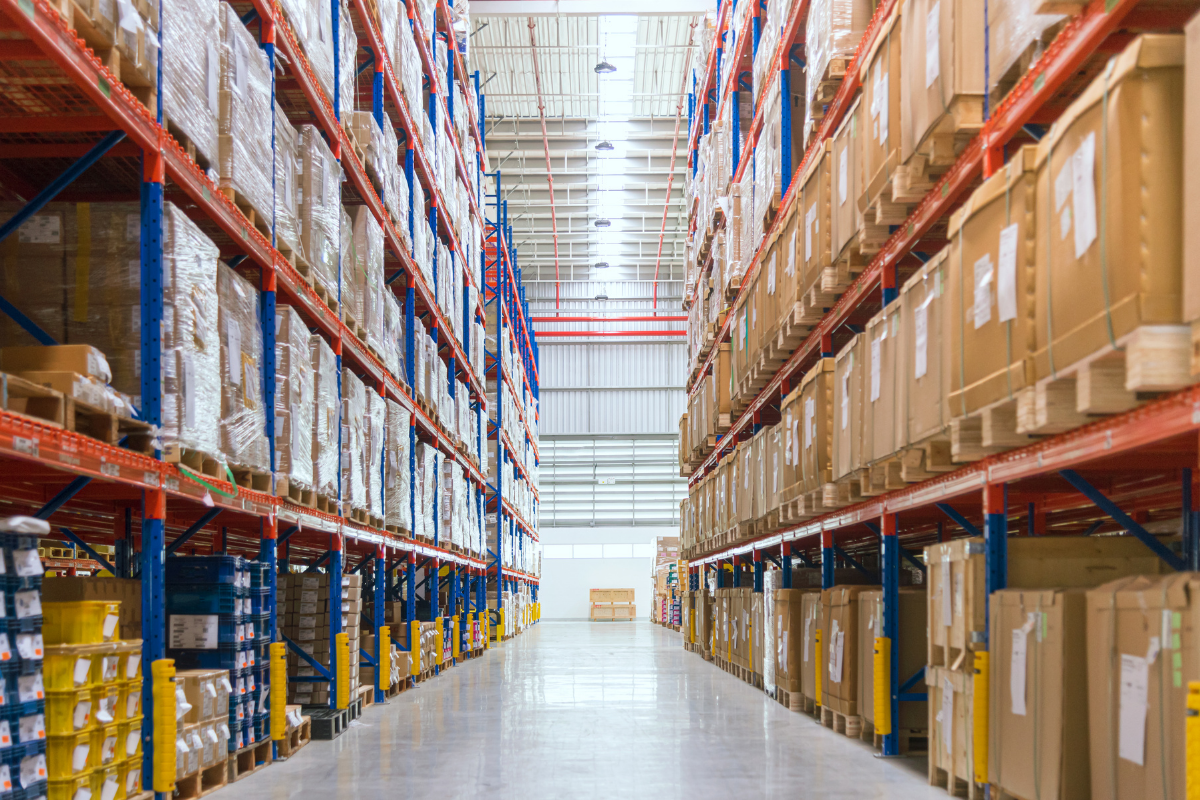
Inventory is another area where costs can quietly grow. Holding too much inventory ties up capital and increases storage expenses. Holding too little can lead to stockouts and emergency shipments.
Finding the right balance requires better forecasting and planning. Analyzing historical demand, seasonality, and customer trends can help companies make smarter decisions about what to stock and when.
Technology can play a role here, but so can process improvements. Regularly reviewing inventory levels and aligning them with actual demand prevents both overstocking and shortages.
When inventory is managed effectively, companies avoid the costly extremes that eat into profits.
Eliminate Waste in Processes
Not all supply chain costs come from transportation or inventory. Many come from inefficient processes.
Manual data entry, poor communication between teams, and outdated workflows can slow everything down. Errors increase. Delays become more common. And each issue adds cost.
Streamlining processes through automation and better systems reduces these risks. For example, automating order entry or shipment tracking frees up time and reduces mistakes.
Even small improvements can have a big impact when applied consistently across the entire operation.
Use Data to Drive Continuous Improvement
Tracking key performance indicators such as on time delivery, cost per shipment, and carrier performance allows companies to identify trends and areas for improvement.
Regular reviews help teams catch issues early and adjust strategies before costs escalate.
Data also creates accountability. When everyone understands the metrics and goals, it becomes easier to align efforts across departments.
Partner with the Right 3PL
One of the most effective ways to reduce supply chain costs without sacrificing quality is to work with a third party logistics provider that understands your business.
A strong 3PL like NAL brings expertise, technology, and carrier relationships that are difficult to build internally. They can identify inefficiencies, recommend better strategies, and execute with consistency.
At Native American Logistics, we focus on more than just moving freight. We work closely with our customers to understand their challenges and develop solutions that improve efficiency and reduce costs over time.
From optimizing routes to providing real time visibility, our goal is to create a supply chain that runs smarter, not just cheaper.
Balancing Cost and Quality
Reducing costs does not have to mean lowering standards. In fact, the most successful companies find ways to improve both at the same time.
When processes are efficient, shipments are planned effectively, and partners are aligned, quality naturally improves. Deliveries are more reliable. Customers are more satisfied. And costs are controlled.
It takes effort to build this kind of supply chain, but the payoff is worth it.
Moving Forward
The pressure to reduce supply chain costs is not going away. Markets are competitive, customer expectations are high, and disruptions are always a possibility.
The companies that succeed are the ones that take a smarter approach. They focus on visibility, efficiency, and strong partnerships. They invest in systems and strategies that prevent problems instead of reacting to them.
Over time, these improvements create a supply chain that is both cost effective and resilient.
If your team is feeling the pressure of rising costs and constant disruptions, it may be time to take a closer look at your supply chain strategy. Native American Logistics is here to help you uncover hidden inefficiencies, improve performance, and build a system that supports long term growth.
Let’s start the conversation. Contact Native American Logistics today and discover how smarter logistics can drive real savings without sacrificing quality.