+1 877 781 3006
 (52) 554-870-5682
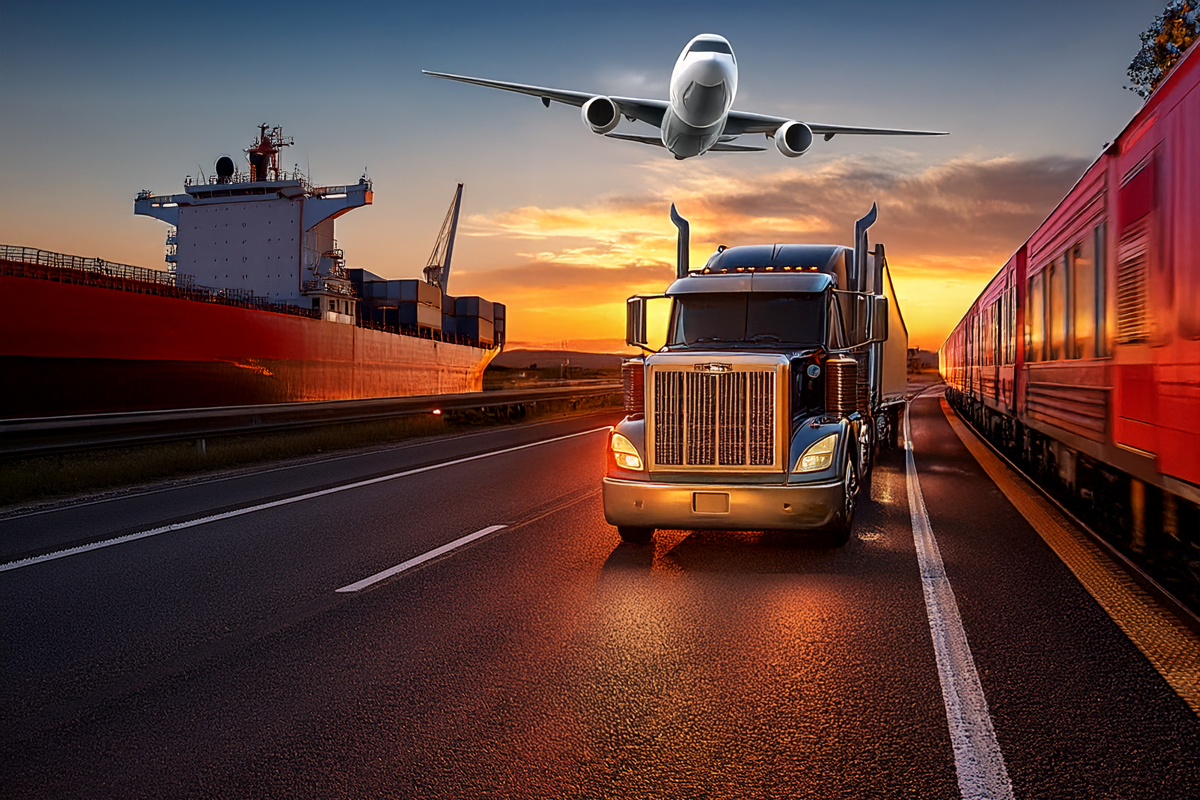
Selecting the right mode of transportation is a critical decision for any business managing a supply chain. Every shipment has unique requirements: speed, cost, cargo type, and destination. These determine which transportation method works best. Trucks, trains, airplanes and ships each have their own advantages and limitations, and understanding them helps businesses make smarter logistics decisions.
Rather than just comparing providers, knowing the strengths and weaknesses of each mode allows you to align your transportation strategy with your business goals. For example, high-value or time-sensitive shipments may require air freight, while bulk commodities often make rail or ocean freight the most cost-effective choice. This blog will guide you through the key factors to consider, provide practical examples, and explain how NAL helps you select the best transportation mode.
Why Understanding Transportation Modes Matters
Before choosing a transportation method, it’s essential to understand how each mode works and what it offers. The benefits of this knowledge include:
Cost efficiency: Avoid overspending by choosing the mode that balances price and performance.
Improved delivery times: Ensure shipments arrive when expected.
Reliability: Anticipate potential delays and plan alternative routes.
Inventory management: Reduce storage costs by syncing transport speed with demand.
Knowing the advantages and limitations of each mode isn’t just helpful—it’s strategic. It allows your business to select the best solution for each shipment and avoid unnecessary logistics headaches.
Road Transportation: Flexible and Accessible
Feature
Advantage
Limitation
Service
Door-to-door delivery
Traffic congestion can cause delays
Flexibility
Easy schedule adjustments
Limited capacity for heavy/bulky shipments
Speed
Fast for short distances
Expensive for long-distance hauls
Local deliveries
Time-sensitive regional shipments
First- and last-mile delivery in intermodal setups
Business insight: Trucks are ideal when flexibility and quick regional delivery are priorities.
Rail Transportation: Cost-Effective for Bulk Shipments
Feature
Advantage
Limitation
Capacity
Can move large volumes of goods
Limited reach, requires trucking for last-mile
Cost
Economical for long distances
Transit times are slower than air or trucking
Environmental impact
Energy-efficient
Schedules are less flexible
Use cases:
Raw materials like steel, chemicals, and grain
Large-volume domestic shipments
Cost-sensitive freight that can tolerate longer transit times
Business insight: Rail is perfect for businesses shipping bulk materials where timing is flexible and cost efficiency matters.
Air Transportation: Speed When Time is Critical
Feature
Advantage
Limitation
Speed
Fastest mode of delivery
High cost per pound
Reach
Global connections
Volume and weight limitations
Reliability
Predictable schedules for urgent shipments
Weather delays can occur
High-value electronics or pharmaceuticals
Perishable products
Urgent international deliveries
Business insight: Air transport is best for time-sensitive shipments where speed outweighs cost.
Ocean Transportation: Economical for International Trade
Feature
Advantage
Limitation
Cost
Low cost for large shipments
Transit times are long
Capacity
Handles heavy and bulky cargo
Additional trucking for delivery to warehouses
Reach
Global shipping access
Port congestion and customs can delay
Use cases:
-
Containerized international shipments
-
Non-urgent bulk imports/exports
-
Seasonal inventory replenishments
Business insight: Ocean freight is optimal for moving large volumes overseas cost-effectively.
Intermodal Transportation: Combining the Best of All Worlds
No single mode can always meet every requirement. Intermodal transportation combines two or more modes, like rail and truck, or ocean and truck, to achieve the best balance of speed, cost, and capacity.
Benefits:
- Reduced shipping costs
- Optimized delivery times
- Increased flexibility and reliability
Example: A shipment might travel by ocean from Asia to a US port, then by truck to reach the final warehouse efficiently.
NAL specializes in designing intermodal solutions that meet the unique needs of each business, ensuring shipments move efficiently from start to finish.
How Knowing Advantages and Limitations Helps Your Business
Understanding transportation modes allows businesses to:
-
Select the right mode for each shipment – Match freight type, urgency, and budget with the appropriate transport.
-
Plan proactively – Anticipate potential delays and choose alternative solutions when necessary.
-
Optimize supply chain costs – Avoid overpaying for expedited services when slower modes suffice.
-
Negotiate smarter with carriers – Knowledge of market options gives leverage in pricing and service agreements.
The key takeaway: The better you understand your options, the more strategic your logistics decisions become.
FAQs: Transportation Mode Decisions
Q1: How do I know which mode is best for my shipment?
A: Consider cargo size, urgency, cost, and delivery location. Trucks for regional speed, rail for bulk, air for time-sensitive shipments, and ocean for international cost-efficiency.
Q2: Can I use multiple modes for one shipment?
A: Yes. Intermodal transportation combines modes to optimize speed, cost, and flexibility.
Q3: Does choosing the wrong mode impact my business?
A: Absolutely. It can increase costs, delay deliveries, and disrupt your supply chain.
Q4: How does NAL help with mode selection?
A: We analyze your shipment requirements, provide expert recommendations, and manage logistics to ensure cost-effective, timely, and reliable delivery.
NAL’s Role in Helping Businesses Choose the Right Transportation Mode
Native American Logistics provides custom solutions across North America, leveraging our carrier networks, technology, and expertise to help:
- Evaluate shipping needs by mode, cargo type, and destination
- Create cost-effective transportation strategies
- Implement intermodal solutions when needed
- Ensure timely delivery and supply chain reliability
Whether you need supply chain solutions, premium transportation, or cross-border logistics, we help businesses choose the most effective mode for every shipment.
Choosing the right transportation mode requires understanding each option’s advantages and limitations. Whether shipping locally, nationally, or internationally, knowing how trucks, rail, air, and ocean freight perform allows businesses to save costs, improve delivery times, and maintain reliable supply chains. Intermodal solutions further enhance flexibility and efficiency.
At Native American Logistics, we help businesses navigate these decisions with expertise, technology, and a network of trusted carriers. By understanding your shipping needs, we ensure every shipment uses the most effective transportation mode, delivering your products on time and at the best value.

Jeff Berlin
is the Chief Operating Officer of E.L. Hollingsworth & Co. and serves as the Senior Operations Executive for TOP Worldwide and Native American Logistics. With over 30 years of experience leading logistics and trucking companies, he brings deep industry expertise to his role. Jeff is also a CDL-A driver and a private pilot.
Have a question about freight? Call or text Jeff directly at (810) 656-6343 or jberlin@elhc.net.