+1 877 781 3006
 (52) 554-870-5682
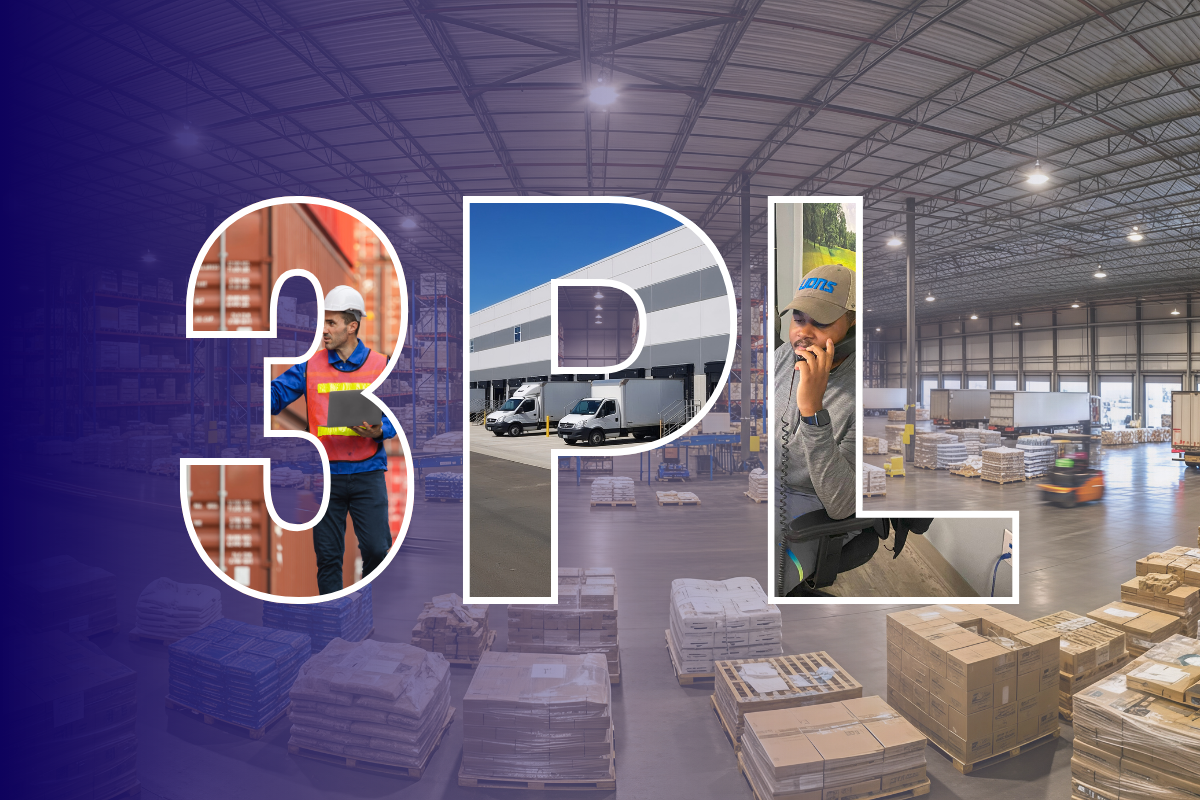
Manufacturers today face growing pressure to deliver faster, control costs, and navigate increasingly complex supply chains. Between transportation coordination, inventory management, and customer delivery expectations, logistics can quickly become a major operational challenge. That’s why many manufacturers are turning to third-party logistics (3PL) providers to streamline their operations and improve efficiency.
But is a 3PL really worth it? For most manufacturers, the answer is yes, and the benefits can extend far beyond simple transportation support.
What Is a 3PL and What Do They Do?
A third-party logistics provider (3PL) manages supply chain operations on behalf of a business. This can include:
- Transportation management
- Warehousing and distribution
- Inventory management
- Freight optimization
- Cross-border logistics coordination
- Shipment tracking and reporting
Instead of investing in logistics infrastructure, staff, and technology, manufacturers partner with a 3PL to handle these functions more efficiently.
Why Manufacturers Are Partnering With 3PL Providers
Manufacturers rely on consistent supply chains to keep production lines moving and customers satisfied. Partnering with a 3PL provides access to expertise, infrastructure, and technology that would otherwise require significant investment.
In fact, companies using 3PL providers report saving an average of 15% on logistics costs, while also improving delivery performance and operational efficiency.
1. Reduced Logistics Costs
Building and managing in-house logistics requires substantial capital investment in warehouses, transportation equipment, and personnel. A 3PL eliminates these upfront costs by providing shared infrastructure and optimized shipping networks. Benefits include:
- Lower transportation costs through consolidated freight
- Reduced warehousing expenses
- No need to invest in logistics technology or equipment
- Reduced labor and administrative costs
Outsourcing logistics allows manufacturers to leverage economies of scale that individual companies typically cannot achieve on their own.
2. Improved Supply Chain Efficiency
Manufacturers must ensure raw materials arrive on time and finished goods reach customers quickly. A 3PL uses advanced technology and optimized routing to improve delivery speed and accuracy. This results in:
- Faster delivery times
- Improved on-time performance
- Better inventory accuracy
- Reduced shipping errors
Many 3PL providers achieve delivery accuracy rates above 95% and use real-time tracking to ensure full supply chain visibility.
3. Scalability to Match Production Demand
Manufacturing demand often fluctuates based on seasonality, customer orders, or market conditions. Managing these fluctuations in-house can be costly and inefficient.
A 3PL allows manufacturers to scale logistics operations up or down as needed, without investing in additional warehouses, staff, or transportation capacity. This flexibility helps manufacturers stay agile while maintaining operational efficiency.
4. Focus on Core Manufacturing Operations
Manufacturers are most successful when they focus on production, product quality, and innovation—not logistics management.
Outsourcing logistics enables manufacturers to:
- Focus on production efficiency
- Improve product development
- Increase operational productivity
- Allocate resources to core business priorities
This strategic focus helps manufacturers grow without being slowed down by logistics complexities.
5. Access to Advanced Logistics Technology
Modern supply chains rely on technology for real-time tracking, inventory visibility, and data-driven decision-making. Many manufacturers lack the resources to implement advanced logistics systems on their own. A 3PL provides access to:
- Transportation management systems (TMS)
- Warehouse management systems (WMS)
- Real-time shipment tracking
- Inventory analytics and reporting
These tools improve visibility, reduce delays, and optimize overall supply chain performance.
6. Faster Growth and Market Expansion
As manufacturers grow, logistics becomes more complex—especially when expanding into new regions or serving new customers. A 3PL provides:
- Established transportation networks
- Nationwide and cross-border logistics capabilities
- Faster market entry
- Scalable distribution infrastructure
This allows manufacturers to expand without building costly logistics operations from scratch.
When Should Manufacturers Consider a 3PL?
Partnering with a 3PL is especially valuable when manufacturers:
- Are experiencing rapid growth
- Want to reduce logistics costs
- Need faster delivery times
- Lack logistics infrastructure or expertise
- Are expanding into new regions or markets
- Want to improve supply chain visibility and efficiency
If logistics is slowing production, increasing costs, or creating operational challenges, a 3PL can provide immediate and long-term benefits.
The Bottom Line
For most manufacturers, partnering with a 3PL is a strategic advantage. By outsourcing logistics, manufacturers can:
- Reduce operational costs
- Improve delivery performance
- Increase supply chain efficiency
- Scale operations more easily
- Focus on core manufacturing priorities
Instead of managing logistics internally, manufacturers can rely on experienced logistics professionals to ensure their supply chain runs smoothly, efficiently, and cost-effectively.
How NAL Supports Manufacturers
At Native American Logistics, we specialize in providing customized logistics solutions designed to meet the unique needs of manufacturers. From freight management and cross-border logistics to real-time shipment visibility and capacity optimization, our team helps manufacturers streamline their supply chains and improve performance.
Whether you’re looking to reduce costs, improve delivery reliability, or scale your operations, Native American Logistics delivers the expertise and support needed to move your business forward.

Jeff Berlin
is the Chief Operating Officer of E.L. Hollingsworth & Co. and serves as the Senior Operations Executive for TOP Worldwide and Native American Logistics. With over 30 years of experience leading logistics and trucking companies, he brings deep industry expertise to his role. Jeff is also a CDL-A driver and a private pilot.
Have a question about freight? Call or text Jeff directly at (810) 656-6343 or jberlin@elhc.net.