+1 877 781 3006
 (52) 554-870-5682
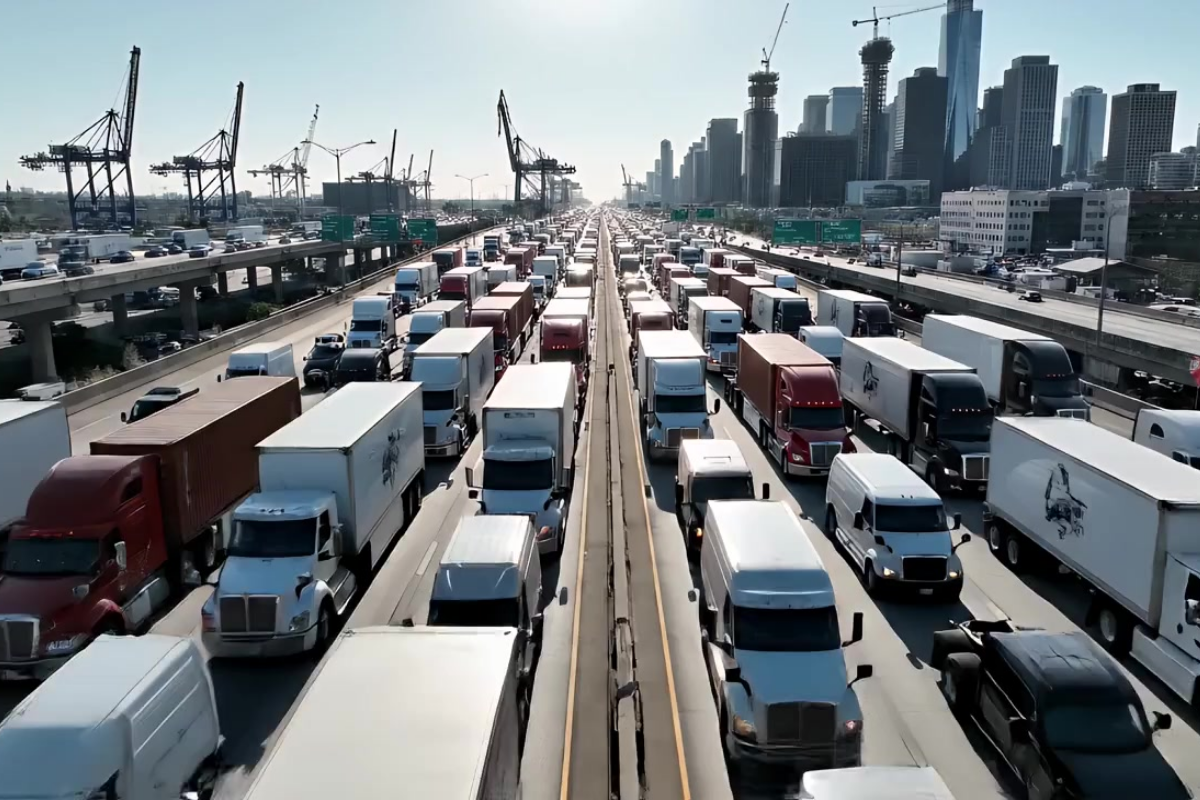
Trucking capacity isn’t expected to fall off a cliff in 2026, but it is about to feel tighter in ways many shippers won’t see coming. A wave of regulatory changes quietly taking effect across driver qualification, carrier compliance and federal oversight is adding friction to the system. The result isn’t fewer trucks overnight, it’s fewer usable, flexible options where and when shippers need them most. Understanding what’s changing now can make the difference between scrambling for capacity later or staying ahead of the market.
Key 2026 Regulation Changes:
FMCSA compliance & registration modernization
- A shift toward USDOT‑centric registration. This includes stricter oversight of carrier records, safety data, and filings, with more continuous monitoring rather than periodic audits.
- Inconsistent or outdated records can trigger administrative out‑of‑service actions more quickly. This raises the bar for small or lightly managed fleets.
CDL and driver qualification tightening
- Expanded use and accessibility of Drug & Alcohol Clearinghouse data, making it harder for drivers with violations to move between carriers undetected.
- New requirements that CDL medical certifications be verified directly via Motor Vehicle Records (MVRs), eliminating older paper or self‑certification workarounds.
- Ongoing crackdowns on English‑language proficiency, non‑domiciled CDLs, and non‑compliant CDL training providers. This increases the risk that some drivers lose eligibility or face delays getting licensed.
CDL testing and licensing process
- States gain more flexibility to offer CDL knowledge and skills tests across state lines and earlier in the training process. This is intended to reduce testing backlogs but also enforces more standardized oversight.
- Enhanced electronic medical certification processes and tighter data connections between licensing agencies and FMCSA reduce tolerance for lapsed medicals or incomplete driver files.
Autonomous and advanced vehicle rules
- FMCSA plans a rulemaking on inspection, repair, and maintenance standards for automated‑driving‑system (ADS)‑equipped trucks. This shapes how autonomous units can operate alongside traditional fleets.
- This will not add near‑term human‑driver capacity but will add compliance complexity for any fleets piloting autonomous trucks.
Hours‑of‑service and sector clarifications
- Clarified definitions for agricultural commodities, livestock, and non‑processed food are expected. This tightens how HOS exemptions are used in ag and food transport.
- This may trim some “creative” use of exemptions, especially in peak harvest seasons, slightly reducing effective capacity on those lanes.
Broker transparency and safety fitness initiatives
- FMCSA continues to work on broker transparency, financial responsibility rules, and possible changes to carrier safety ratings. This will increase documentation requirements for brokers and carriers.
- Carriers with poor safety metrics or weak documentation will find it harder to access freight and insurance at reasonable cost, nudging some out of the market.
How These Changes Pressure Trucking Capacity:
Driver pool tightening
- Tougher Clearinghouse usage, medical‑card verification, and enforcement on training and language rules will disqualify or delay some fraction of existing and prospective drivers.
- The impact is especially acute in regions relying on non‑domiciled or visa‑dependent drivers with historically loose qualification standards.
Administrative and compliance friction
- Continuous data‑driven monitoring increases the chances that paperwork lapses. This includes expired filings, mismatched registrations and incomplete driver files that lead to temporary out‑of‑service orders.
- Smaller carriers without strong back‑office support are more likely to be sidelined intermittently. This will reduce available trucks even if equipment physically exists.
Shift from expansion to replacement
- With 2027 EPA emissions rules looming, 2026 is widely viewed as a “prep” year. Many fleets are replacing older trucks rather than growing fleet count.
- This replacement‑over‑expansion posture mutes net capacity growth just as regulatory friction for drivers and carriers is rising.
Spot and ad‑hoc capacity at risk
- Analyses of a “regulatory cliff” for inland transport suggest carriers will prioritize contracted freight if their driver base shrinks, trimming spot market and marginal lanes first.
- Logistics service providers and 3PLs that lean heavily on ad‑hoc truckload coverage may see tighter options and more rate volatility on certain corridors.
Expected market outcomes in 2026
Moderate effective capacity reduction, not a collapse
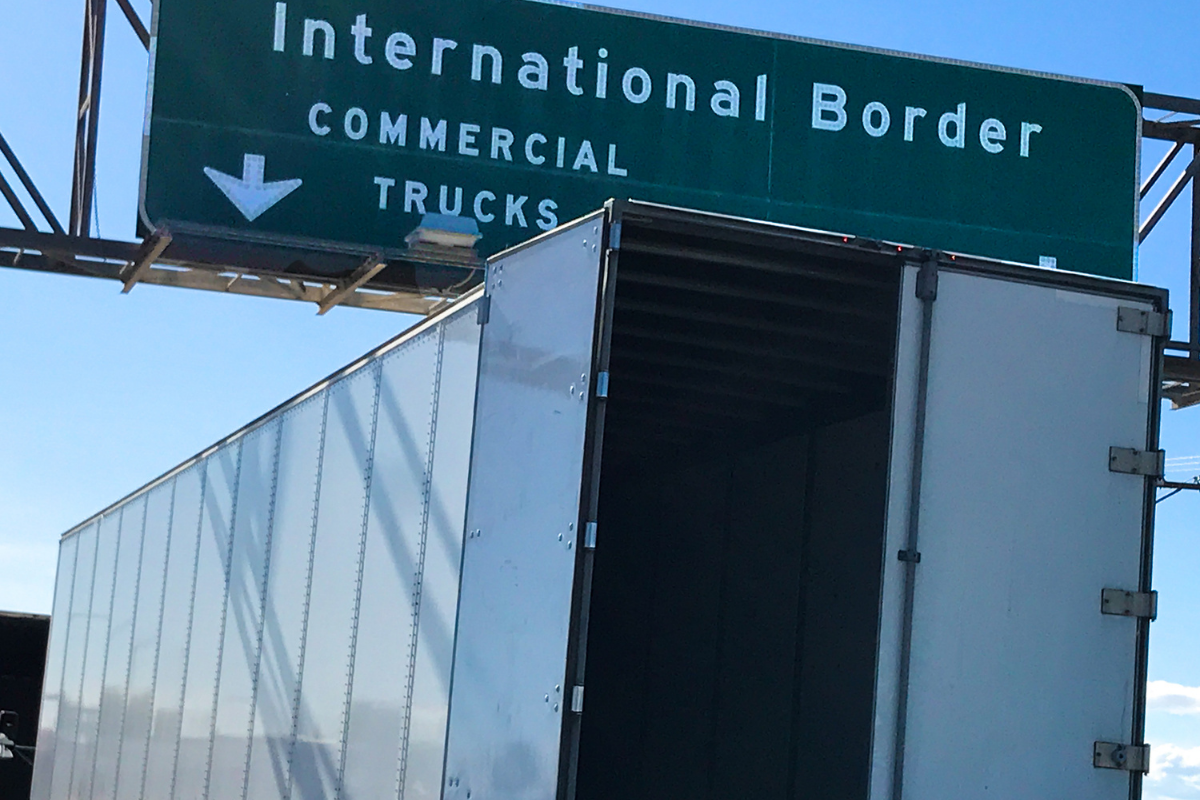
- Most outlooks point to slowing capacity growth and localized shortages rather than a nationwide capacity crisis, with risk concentrated where compliance changes bite hardest (e.g., certain states, cross‑border corridors, ag seasons).
- Capacity will remain available for shippers that are operationally stable and pay market‑consistent rates, but “cheap and flexible” options will be harder to secure consistently.
Improved pricing power for well‑run carriers
- As under‑compliant fleets and marginal drivers exit, compliant carriers gain leverage, and the gap between spot and contract rates is expected to narrow.
- Shippers may see firmer contract pricing but better reliability, with more emphasis on carriers’ safety scores, documentation quality, and digital connectivity in bid events.
Operational focus areas for shippers and 3PLs
- Higher value on partners that invest in robust driver qualification, data‑clean registration, and proactive compliance management.
- Increased need for network flexibility (modal options, alternate routings, diversified carrier base) to offset local capacity losses tied to regulatory enforcement hotspots.
Plan for Capacity Before the Market Forces You To:
As regulatory pressure reshapes trucking capacity in 2026, the shippers who stay ahead will be the ones with strong carrier partnerships, flexible routing strategies, and logistics providers who understand how compliance impacts real-world availability.
Hear how to stay ahead of the CDL crackdown with our latest podcast episode.
Native American Logistics helps shippers navigate tightening capacity with proactive planning, diversified carrier networks, and real-time visibility into where risks and opportunities exist.
Talk to Native American Logistics today to pressure-test your lanes, identify potential capacity gaps, and build a smarter transportation strategy for 2026 and beyond.

Jeff Berlin
is the Chief Operating Officer of E.L. Hollingsworth & Co. and serves as the Senior Operations Executive for TOP Worldwide and Native American Logistics. With over 30 years of experience leading logistics and trucking companies, he brings deep industry expertise to his role. Jeff is also a CDL-A driver and a private pilot.
Have a question about freight? Call or text Jeff directly at (810) 656-6343 or jberlin@elhc.net.