+1 877 781 3006
 (52) 554-870-5682
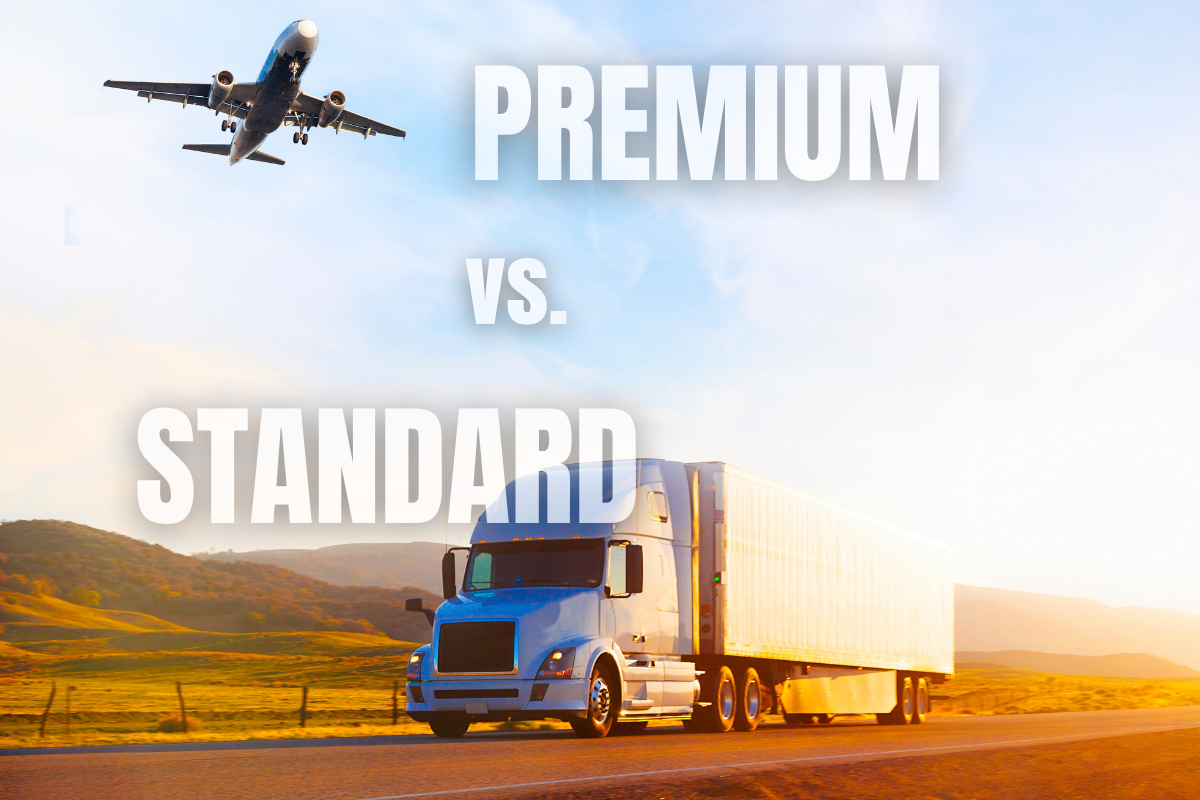
Most freight decisions are made quickly. A shipment needs to move, a rate is quoted, and a carrier is booked. On the surface, it feels transactional. But behind every shipment is a deeper decision that can directly impact operations, customer satisfaction, and profitability. Yes, choosing between premium transportation and standard freight gets freight delivered. But how much risk you are willing to take on in the process?
The reality is that not all freight moves are created equal. Some shipments can tolerate delays or minor disruptions without consequence. Others cannot. When timing, security, or performance truly matter, the difference between premium transportation and standard freight becomes impossible to ignore.
Understanding Standard Freight

Standard freight is the foundation of most supply chains. It is built around efficiency and cost control, using established carrier networks and optimized routes to move freight in the most economical way possible. Shipments often move alongside others, especially in less than truckload scenarios, and may pass through multiple terminals or stops before reaching their final destination.
Because of this structure, standard freight works best when timelines are flexible and the shipment itself is not highly sensitive. Businesses rely on it every day to move routine freight, replenish inventory, and maintain steady operations. It offers consistency at scale, which is why it remains the most widely used transportation method across industries.
However, that efficiency comes with tradeoffs. Since freight is moving within a shared network, it is more exposed to delays caused by weather, congestion, or shifting capacity. While these disruptions are usually manageable, they can create challenges when a shipment becomes more critical than originally planned.
What Defines Premium Transportation
Premium transportation operates on a completely different level. Instead of prioritizing network efficiency, it prioritizes speed, control, and reliability. Shipments typically move on dedicated equipment, often with team drivers or expedited service, and follow direct routes with little to no interruption.
This approach significantly reduces transit time while also minimizing the number of touchpoints along the way. Fewer handoffs mean less risk of damage, miscommunication, or delays. In addition, premium transportation often includes enhanced visibility, allowing shippers to track their freight in real time and receive proactive updates throughout the journey.
It is important to understand that premium transportation is not just about moving faster. It is about removing uncertainty. For businesses that cannot afford missed deadlines or compromised shipments, that level of control becomes essential.
Comparing Performance Where It Matters Most
The most noticeable difference between premium transportation and standard freight is speed, but speed alone does not tell the full story. Reliability is where the gap truly widens. Standard freight operates within a system that balances many shipments at once, which means unexpected delays can ripple through the network. Premium transportation isolates your shipment from those variables, giving it priority from pickup to delivery.
Cost is another major factor, and it is often the reason companies default to standard freight. On paper, standard shipping is more economical because it spreads costs across multiple shipments. Premium transportation requires dedicated resources, which naturally increases the price. But focusing only on the upfront cost can be misleading.
The real comparison should include the cost of failure. A late delivery might shut down a production line, delay a product launch, or damage a key customer relationship. When those risks are taken into account, premium transportation often proves to be the more strategic choice rather than the more expensive one.
Visibility and communication also play a critical role. Standard freight typically offers basic tracking, but updates may be limited or delayed. Premium transportation, on the other hand, is built around transparency. Real time tracking and consistent communication allow businesses to make faster decisions and respond to issues before they escalate.
The Risk Factor Most Shippers Overlook
One of the biggest mistakes companies make is treating every shipment the same. In reality, each load carries a different level of importance. Some freight can be delayed without major consequences, while other shipments are directly tied to revenue, operations, or customer commitments.
When a critical shipment is moved using standard freight, the risks increase significantly. A delay that might seem minor on paper can quickly turn into a major disruption. Production lines can go down. Customers can lose confidence. Contracts can be put at risk.
Premium transportation serves as a safeguard in these situations. It reduces uncertainty and ensures that high priority shipments receive the attention they require. Instead of reacting to problems after they occur, businesses can prevent them altogether.
Making the Right Choice for Each Shipment
Deciding between premium transportation and standard freight comes down to understanding the role each one plays within your broader transportation strategy. The key is to evaluate the specific needs of each shipment and align your approach accordingly.
When timelines are flexible and the freight is not highly sensitive, standard shipping is often the right choice. It provides a reliable and cost effective solution for everyday logistics needs. But when timing becomes critical or the shipment carries greater risk, premium transportation offers a level of assurance that standard methods cannot match.
This decision making process becomes even more important during peak seasons, market disruptions, or unexpected changes in demand. Having the ability to shift between standard and premium options allows businesses to stay agile and maintain performance under pressure.
Building a Smarter Transportation Strategy
The most successful companies do not rely on a single shipping method. Instead, they build a layered strategy that incorporates both standard freight and premium transportation. Routine shipments move through cost efficient networks, while critical loads are elevated to premium services when necessary.
This balanced approach creates both stability and flexibility. It keeps transportation costs under control while ensuring that high priority shipments receive the level of service they demand. Over time, this strategy leads to fewer disruptions, stronger customer relationships, and more predictable operations.
Why the Right Logistics Partner Matters
Executing this kind of strategy requires more than just access to trucks. It requires insight, planning, and the ability to adapt in real time. That is where a strong third party logistics partner becomes invaluable.
A knowledgeable logistics provider can evaluate each shipment, recommend the most effective transportation method, and adjust quickly when conditions change. With access to a broad carrier network and advanced tracking tools, they provide the visibility and control needed to manage both standard and premium freight effectively.
More importantly, they help businesses shift from reactive decision making to proactive strategy. Instead of scrambling to fix problems, companies can anticipate challenges and choose the right solution from the start.
Final Thoughts
Premium transportation vs standard freight. It’s simply a question of which option is right for the situation at hand. Each serves a distinct purpose, and both are essential to a well functioning supply chain.
Standard freight delivers efficiency and scalability, making it ideal for routine shipments. Premium transportation provides speed, reliability, and control, making it critical for high stakes situations. The real advantage comes from knowing when to use each one.
When businesses take a more strategic approach to transportation, they do more than move freight. They reduce risk, improve performance, and create a stronger, more resilient supply chain.
Ready to Upgrade Your Transportation Strategy?
Not every shipment needs premium service, but the ones that do can make or break your operation. The key is knowing the difference and having a partner who can execute at both levels without hesitation.
At Native American Logistics, we help businesses move smarter by aligning every shipment with the right solution. Whether you need cost efficient standard freight or high priority premium transportation, our team delivers the speed, visibility, and reliability your supply chain demands.
Let’s build a transportation strategy that works for your business.
Contact NAL today to get a quote or speak with a logistics expert about your next shipment.