+1 877 781 3006
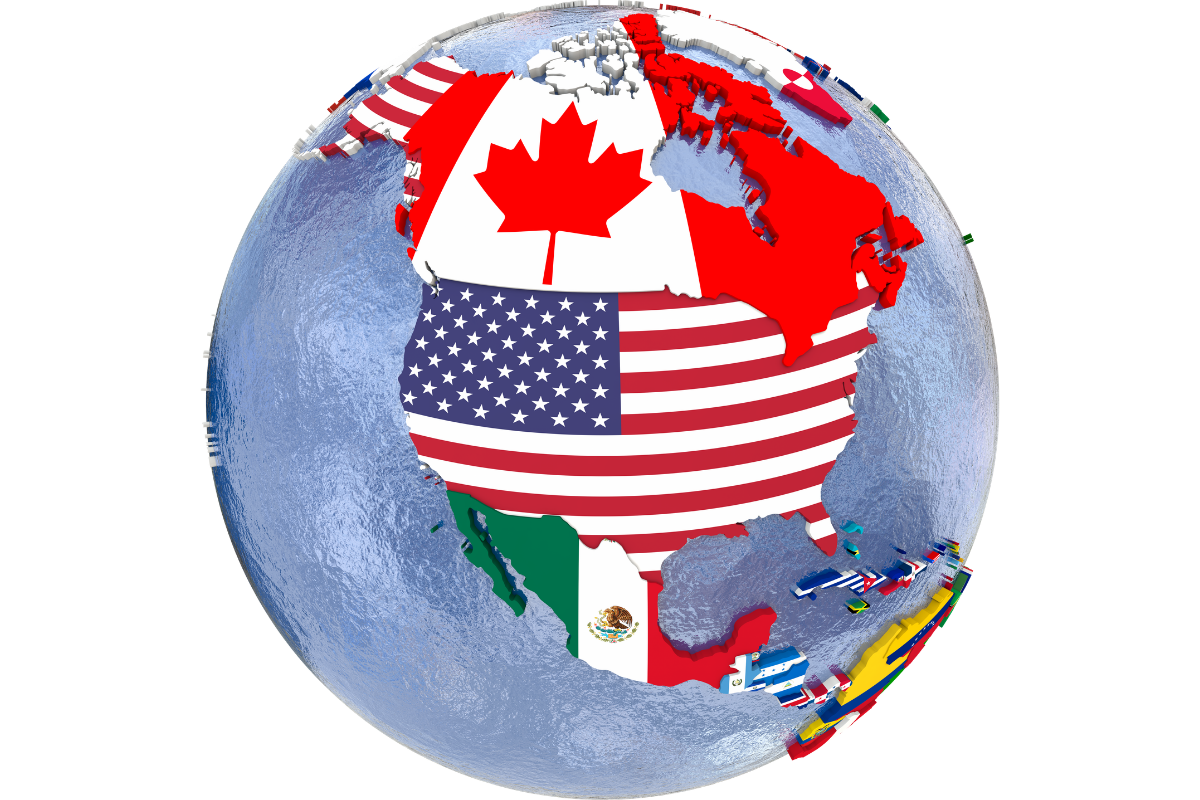
A manufacturer in Ohio is waiting on critical components from Mexico. A retailer in Canada is preparing for a seasonal sales surge. A supplier in Texas needs to move products across the continent in record time. Every one of these businesses depends on the same thing: a logistics network that works.
When freight moves efficiently across the United States, Canada, and Mexico, businesses stay productive, customers stay happy, and supply chains remain strong. But when disruptions occur, the impact can be felt across entire industries.
As we move through 2026, North American logistics continues to evolve at a rapid pace. New technologies, shifting trade patterns, changing consumer expectations, and economic uncertainty are all influencing how freight moves across the continent. For shippers, understanding these changes is essential to staying competitive.
Let’s take a closer look at the current state of North American logistics and what businesses should be paying attention to in the months ahead.
Nearshoring Continues to Reshape Supply Chains
One of the biggest developments in North American logistics over the past several years has been the rise of nearshoring.
Companies that once relied heavily on overseas suppliers are moving production closer to their customers. Mexico has become a major manufacturing hub, particularly for automotive, electronics, and consumer goods industries.
The reasons are easy to understand. Businesses want shorter transit times, more predictable supply chains, and greater control over inventory. Producing goods closer to end markets helps reduce risk and improve responsiveness.
As a result, freight volumes moving between the United States and Mexico continue to grow. Border crossings have become increasingly important links in the supply chain, creating greater demand for reliable cross-border logistics solutions.
For businesses, this trend means logistics partners must have the expertise, carrier network, and visibility needed to navigate international freight movements efficiently.
Visibility Has Become a Competitive Advantage
Not long ago, many companies were satisfied with simply knowing when a shipment was picked up and delivered.
Today, expectations are very different.
Businesses want real-time updates, proactive communication, and complete transparency throughout the transportation process. Customers expect accurate delivery information, and supply chain managers need visibility to make informed decisions.
Technology has made this possible. Advanced tracking systems, digital freight platforms, and transportation management systems allow businesses to monitor shipments at every stage of the journey.
This level of visibility helps companies identify potential delays before they become major problems. It also improves planning, inventory management, and customer service.
Organizations that invest in supply chain visibility are finding themselves better positioned to respond to disruptions and maintain operational efficiency.
Capacity Remains a Constant Challenge
Freight markets have always experienced cycles of tightening and loosening capacity. While conditions may fluctuate, capacity management remains one of the most important challenges in North American logistics.
Demand can change quickly due to seasonal surges, economic shifts, weather events, or unexpected disruptions. When capacity becomes limited, transportation costs can rise and service levels can suffer.
This is why strong carrier relationships remain critical.
Companies that work with experienced logistics providers often gain access to broader carrier networks and flexible transportation solutions. These partnerships help businesses secure capacity when they need it most and avoid costly interruptions.
Successful freight management today requires more than simply finding available trucks. It requires strategic planning, market knowledge, and the ability to adapt quickly to changing conditions.
Cross Border Freight Is More Important Than Ever
Trade between the United States, Canada, and Mexico continues to play a vital role in the North American economy.
Manufacturers rely on components that cross borders multiple times before a final product is completed. Retailers depend on imported goods to keep shelves stocked. Agricultural producers need efficient transportation networks to reach customers across the continent.
Cross border logistics presents unique challenges. Customs requirements, regulatory compliance, documentation, and border delays can all impact shipment performance.
Businesses that regularly move freight across international borders benefit from working with logistics providers that understand these complexities. Proper planning and coordination help reduce delays and keep freight moving smoothly.
As trade volumes continue to grow, cross-border expertise will remain an important factor in supply chain success.
Data Is Driving Better Decisions
The logistics industry generates enormous amounts of data every day.
Transportation costs, transit times, carrier performance, shipment tracking information, and inventory levels all provide valuable insights. The challenge is turning that information into action.
Today’s leading logistics organizations use data to improve decision making throughout the supply chain. They analyze trends, identify inefficiencies, and uncover opportunities for improvement.
Data-driven strategies help businesses:
- Reduce transportation costs
- Improve delivery performance
- Optimize inventory levels
- Strengthen forecasting accuracy
- Enhance customer satisfaction
Companies that leverage logistics data effectively can gain a significant competitive advantage in a fast-moving marketplace.
Sustainability Is Becoming a Business Priority
Environmental responsibility is increasingly influencing supply chain decisions.
Customers, investors, and business partners are paying closer attention to sustainability efforts. As a result, many organizations are looking for ways to reduce emissions and improve transportation efficiency.
Logistics providers are responding through route optimization, improved load planning, fuel-efficient equipment, and greater use of technology.
Even small improvements can have a meaningful impact. Reducing empty miles, maximizing trailer utilization, and improving route planning help lower costs while supporting sustainability goals.
For many businesses, sustainability is becoming an important part of long-term supply chain planning.
The Human Element Still Matters
Technology continues to transform logistics, but people remain at the center of every successful supply chain.
Experienced logistics professionals solve problems, coordinate shipments, manage carrier relationships, and respond when unexpected challenges arise.
Whether dealing with severe weather, capacity shortages, border delays, or changing customer demands, human expertise remains essential.
The most successful logistics operations combine advanced technology with knowledgeable professionals who understand how to navigate complex transportation environments.
At the end of the day, relationships still matter. Trust, communication, and responsiveness continue to be key ingredients for supply chain success.
Looking Ahead
The North American logistics landscape will continue to evolve, but one thing remains clear: businesses need supply chains that are flexible, efficient, and resilient.
Nearshoring, technology, data analytics, sustainability initiatives, and cross-border trade are all shaping the future of freight transportation. Companies that adapt to these trends will be better prepared to navigate uncertainty and capitalize on new opportunities.
Success in today’s market requires more than moving freight from Point A to Point B. It requires strategic logistics planning, reliable partnerships, and a commitment to continuous improvement.
At Native American Logistics, we help businesses navigate the complexities of modern supply chains with customized transportation solutions, freight management expertise, and a commitment to exceptional service. Whether you’re shipping across town or across North America, our team is ready to help you move forward with confidence.
Ready to Strengthen Your Supply Chain?
If you’re looking for a logistics partner that understands the challenges and opportunities shaping North American logistics, NAL is here to help.
Contact our team today to learn how our supply chain solutions, freight management services, premium transportation options, and cross-border logistics expertise can support your business goals. Let’s build a stronger, more resilient supply chain together.