+1 877 781 3006
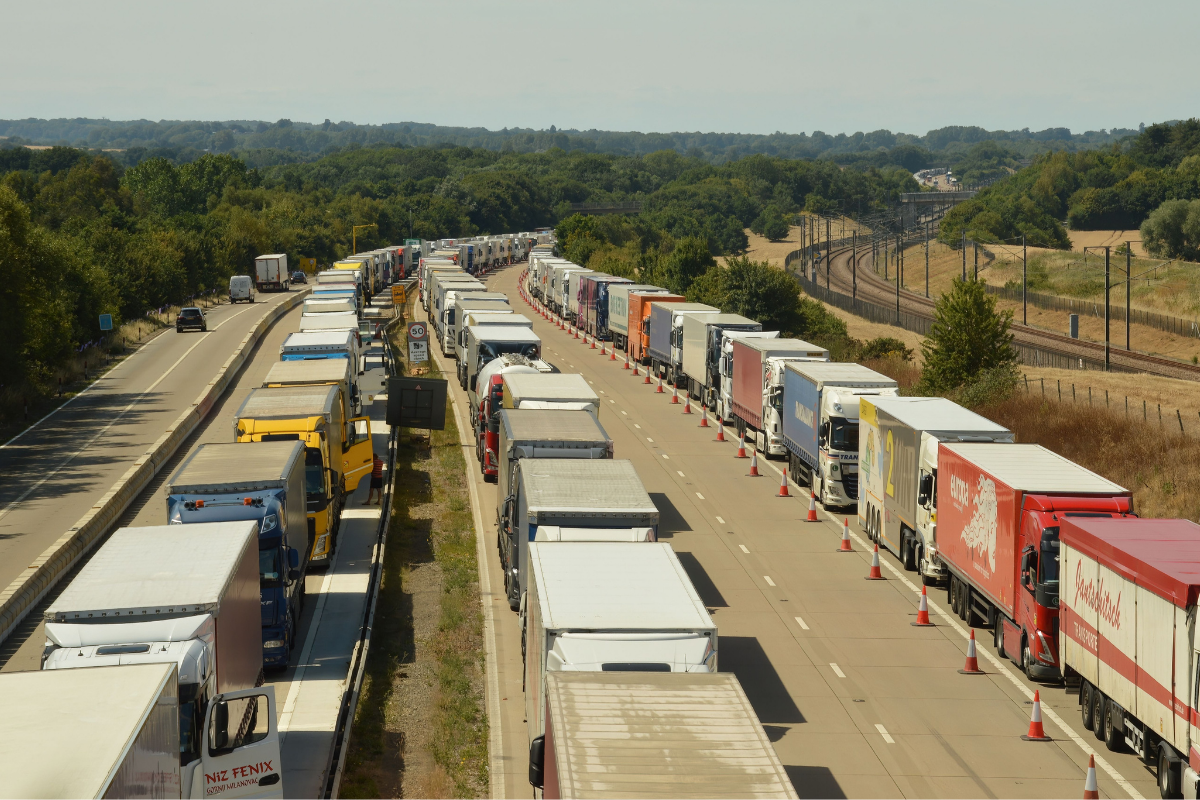
A delayed shipment rarely stays a delayed shipment.
A truck that misses a delivery window can leave a production line waiting for parts. A missed pickup can throw off an entire day’s schedule. A shipment stuck at a border can create problems for inventory, customers, and the next load in the transportation plan.
For businesses that rely on freight moving on time, delays can quickly become expensive.
The good news is that many freight delays can be prevented. Others can be identified early enough to minimize their impact. The difference often comes down to planning, visibility, communication, and having the right logistics strategy in place.
At Native American Logistics, we help businesses manage those moving pieces every day. From freight management and transportation planning to cross-border logistics and time-critical shipments, our goal is to keep supply chains moving efficiently and reliably.
What Causes Freight Delays?
Freight transportation involves more than getting a truck from Point A to Point B. Every shipment depends on multiple people, facilities, carriers, systems, and schedules working together.
When one part of the process breaks down, a delay can follow.
Some delays are caused by things businesses can control. Others are caused by weather, traffic, equipment problems, or unexpected disruptions. The key is knowing where the risks are and having a plan to respond.
Poor Planning Can Create Delays Before Shipping Begins
One of the easiest ways to prevent freight delays is to start planning before the shipment is ready to move.
If a pickup appointment is too tight, the freight isn’t ready, or the transportation plan doesn’t account for realistic transit times, problems can start before the truck leaves the facility.
This is especially important for manufacturers and businesses with time-sensitive supply chains. When inbound materials arrive late, the consequences can extend far beyond transportation.
A strong freight management strategy looks at the entire movement. That includes pickup requirements, transit time, delivery appointments, equipment, carrier availability, and the potential risks along the route.
The earlier those factors are considered, the more options there are to prevent a problem.
Limited Capacity Can Put Shipments at Risk
Carrier capacity changes constantly.
A lane that is easy to cover one week may become much more difficult the next. Seasonal demand, market conditions, equipment availability, geography, and shipment requirements can all affect capacity.
Waiting until the last minute to find transportation can leave shippers with fewer options and higher costs.
A strong carrier network gives logistics teams more flexibility when capacity becomes tight. NAL works with dedicated partner carriers and provides access to a broad network of transportation options across multiple modes. That flexibility can be especially valuable when a shipment requires specific equipment, a tight delivery window, or specialized handling.
The goal is to plan ahead instead of scrambling after capacity disappears.
Inaccurate Information Can Slow Down Freight
A freight shipment depends on accurate information.
Incorrect addresses, missing appointment requirements, inaccurate weights or dimensions, incomplete paperwork, and unclear delivery instructions can all create unnecessary delays.
Sometimes the issue is small. A driver arrives at a facility and discovers that an appointment was required. A shipment is classified incorrectly. A delivery location has different operating hours than expected.
Those small problems can quickly become big ones.
Before a shipment moves, make sure everyone involved has the same information. That includes the shipper, carrier, receiver, logistics provider, and any other parties involved in the transportation process.
Better information leads to better decisions.
Loading and Unloading Times Matter
A truck’s transit time gets most of the attention, but what happens before and after the drive can be just as important.
If a driver waits several hours to get loaded, that time can affect the rest of the route. A missed appointment at one facility can lead to another missed appointment later in the day.
Facilities can reduce these risks by having freight ready when the truck arrives, keeping appointment information accurate, and communicating any changes quickly.
For companies with frequent shipments, it can also be helpful to track loading and unloading performance. If the same facility consistently creates long wait times, that data may reveal an opportunity to improve the process.
Weather and Traffic Can Change the Plan
Even the best transportation plan can be affected by conditions on the road. Severe weather, accidents, construction, road closures, and unexpected traffic can add hours to a shipment’s transit time.
The important thing is knowing about those problems as early as possible.
Real-time visibility gives logistics teams the ability to monitor shipments while they are in transit and respond when conditions change. NAL provides real-time tracking and proactive disruption management as part of its freight management approach.
That visibility allows a team to communicate with the customer, carrier, and receiving facility before a delay becomes a bigger problem.
Cross-Border Freight Adds Another Layer of Risk
For companies moving freight between the United States, Mexico, and Canada, delays can involve more than trucks and traffic. Customs documentation, trade compliance, tariff classifications, broker coordination, and border processes all have to line up.
A missing or inaccurate document can hold up a shipment even when the carrier is ready to move.
That is why cross-border freight requires planning well before the shipment reaches the border. NAL’s cross-border logistics services include transportation coordination, customs brokerage support, documentation, and coordination between the different parties involved in the shipment.
When transportation and compliance are managed together, there is less opportunity for one part of the process to fall behind the other.
Communication Can Make or Break a Shipment
One of the most preventable causes of freight delays is poor communication. A carrier needs to know where and when to pick up. The receiving facility needs to know when the shipment will arrive. The customer needs to know if something changes.
When communication stops, everyone starts working from different information. Proactive communication keeps the entire transportation process connected.
If a truck is running late, the customer should know. When a delivery appointment needs to change, the right people should be contacted. If a carrier has an equipment problem, the logistics team should be looking at alternatives instead of waiting for the situation to resolve itself.
Good logistics management means staying involved throughout the shipment, not just booking the truck and hoping everything goes according to plan.
Visibility Helps Prevent Small Problems From Becoming Big Ones
You can’t fix a problem you don’t know about. Shipment visibility gives businesses a clearer picture of what is happening with their freight while it is in transit. Instead of waiting for a missed delivery to find out there is an issue, logistics teams can monitor the shipment and identify potential exceptions sooner.
This can be especially important for time-critical freight. If a shipment contains material needed for production, a delay could create much bigger costs than the transportation expense itself. Early notification gives the team more time to consider options such as changing the delivery appointment, adjusting the route, securing another carrier, or using expedited transportation.
NAL uses technology and real-time tracking to improve visibility and support proactive issue resolution.
Don’t Wait Until a Delay Happens to Build a Backup Plan
Every shipment doesn’t need an elaborate contingency plan. But businesses with critical freight should know what they will do if something goes wrong.
What happens if the primary carrier breaks down? If severe weather closes a major route? What if a shipment misses its delivery appointment? Or if production needs the material sooner than expected? Having answers to those questions before a disruption occurs can save valuable time.
A logistics partner can help identify alternate modes, carriers, routes, or service levels before an issue becomes urgent. For time-critical shipments, NAL offers premium transportation options including expedited ground, air freight, same-day delivery, overnight shipping, and hot shot services.
The right solution depends on the shipment, the deadline, and the consequences of a delay.
Freight Delays Can Reveal Bigger Supply Chain Problems
A late shipment isn’t always an isolated transportation issue. If the same lane regularly experiences delays, there may be a routing or carrier problem. Or if a facility consistently creates long wait times, there may be an operational bottleneck. If a company frequently relies on expedited freight, its planning process may need to be reviewed.
Looking at the data behind freight performance can reveal those patterns.
NAL’s logistics network optimization approach looks at freight lanes, shipment volumes, carrier performance, costs, service requirements, and operational pain points. From there, transportation strategies can be developed around routing, carrier sourcing, mode selection, consolidation, and other opportunities for improvement.
That kind of analysis can turn freight management from a daily fire drill into a more predictable process.
How to Reduce Freight Delays
There is no way to guarantee that every shipment will arrive exactly as planned. Transportation is affected by too many variables. But businesses can take practical steps to reduce avoidable delays.
Start by making sure shipment information is accurate. Plan transportation early, especially for high-priority or specialized freight. Work with reliable carriers and maintain access to multiple transportation options. Monitor shipments in real time and communicate when conditions change.
Most importantly, look at freight performance over time. If delays keep happening, don’t simply solve each one individually. Find out why they keep happening. That is where a strategic logistics partner like NAL can make a difference.
Keep Your Supply Chain Moving
Freight delays can affect much more than transportation costs. They can disrupt production, create customer service problems, increase inventory pressure, and force businesses to make expensive last-minute decisions.
The best way to manage delays is to get ahead of them.
At Native American Logistics, we work alongside businesses to manage transportation, improve visibility, optimize logistics networks, and respond to disruptions before they become larger supply chain problems. Our team supports full truckload, LTL, intermodal, air, ocean, cross-border, courier, and other transportation needs.
Whether you are dealing with recurring freight delays or simply looking for a better way to manage your transportation network, NAL can help.
Ready to reduce freight delays and improve your supply chain? Contact Native American Logistics for a free freight evaluation and discover where your transportation strategy can improve.