+1 877 781 3006
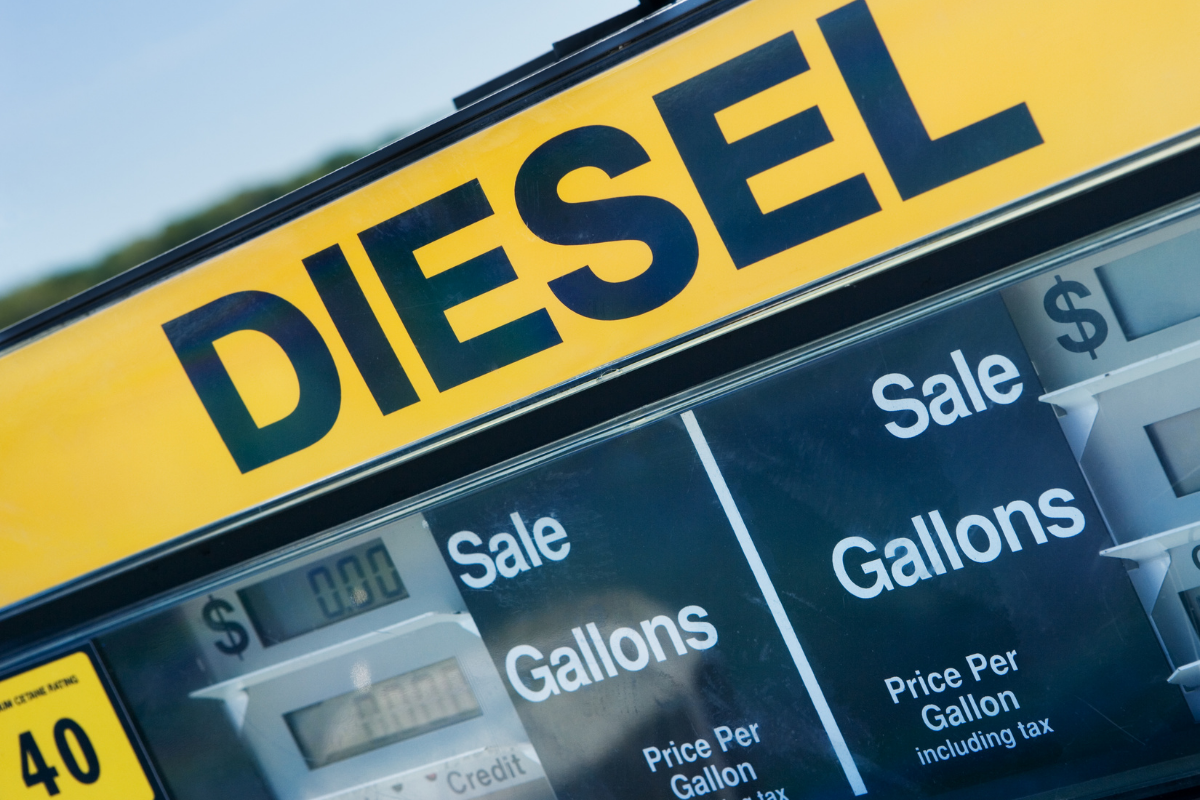
If you’ve been paying attention to the price of diesel lately, you’ve probably noticed that it can change quickly. For businesses that ship freight, that can raise an important question: When fuel prices go up, does that mean freight rates go up, too? The short answer is often yes, but there is more to the story.
Fuel is a major cost for trucking companies. When diesel gets more expensive, carriers have to spend more to move each load. That can affect transportation rates and the fuel surcharges that shippers see on their freight bills.
But fuel is only one part of the equation. The cost of moving freight also depends on things like available trucks, shipping volume, distance, equipment, demand and current market conditions.
Understanding how these factors work together can help shippers make better decisions and better understand what they are paying for.
Why Do Fuel Prices Affect Freight Rates?
Think about how much a truck travels in a typical week. A truck may cover thousands of miles while picking up and delivering freight. Every one of those miles uses fuel. When diesel prices increase, the cost of operating that truck increases, too. Carriers have to account for that added expense when pricing their services. The longer the shipment, the more fuel it may require.
That means changes in diesel prices can have a bigger impact on long-distance freight. Fuel costs can be especially important for truckload transportation, where a truck may travel hundreds or even thousands of miles for a single shipment. Still, fuel prices do not tell the whole story.
The price of a shipment can also be affected by the lane, the type of equipment needed, how many trucks are available, the amount of freight moving through the market and how quickly the shipment needs to move. That is why two shipments traveling the same distance can have very different transportation costs.
What Is a Fuel Surcharge?
If you ship freight regularly, you have probably seen a fuel surcharge listed on a quote or invoice. So what exactly is it? A fuel surcharge is an additional charge that helps account for changes in fuel prices. Instead of changing the base transportation rate every time diesel prices move, carriers and transportation providers can use a fuel surcharge to adjust for those changes.
For example, a carrier and customer may agree on a base fuel price. If diesel rises above that amount, a fuel surcharge may be added to the transportation cost. If fuel prices fall, the surcharge may decrease based on the agreement. The exact formula can vary from one carrier or customer agreement to another. That is why it is important to look at the full transportation cost instead of focusing on one number.
How Is a Fuel Surcharge Calculated?
There is no single fuel surcharge formula that every transportation company uses. However, many calculations look at a few basic factors:
- The current price of diesel
- An agreed-upon base fuel price
- The miles being traveled
- The truck’s expected fuel mileage
- A fuel surcharge table or agreed-upon formula
A simple example can help. Let’s say a carrier and customer agree that a certain fuel price will be used as the starting point. If diesel rises above that price, the difference may result in an additional charge based on the number of miles the truck travels.
The actual calculation can be more complicated, depending on the agreement. This is one reason two transportation providers may show different fuel charges on their quotes. For shippers, the important thing is to understand how the surcharge is calculated and what it means for the total cost of the shipment.
Why Don’t Freight Rates Always Follow Fuel Prices?
This is where things can get a little more complicated. It may seem logical that freight rates should rise whenever fuel prices rise and fall whenever fuel prices fall. But the freight market doesn’t work that way. Fuel is only one factor that affects transportation rates.
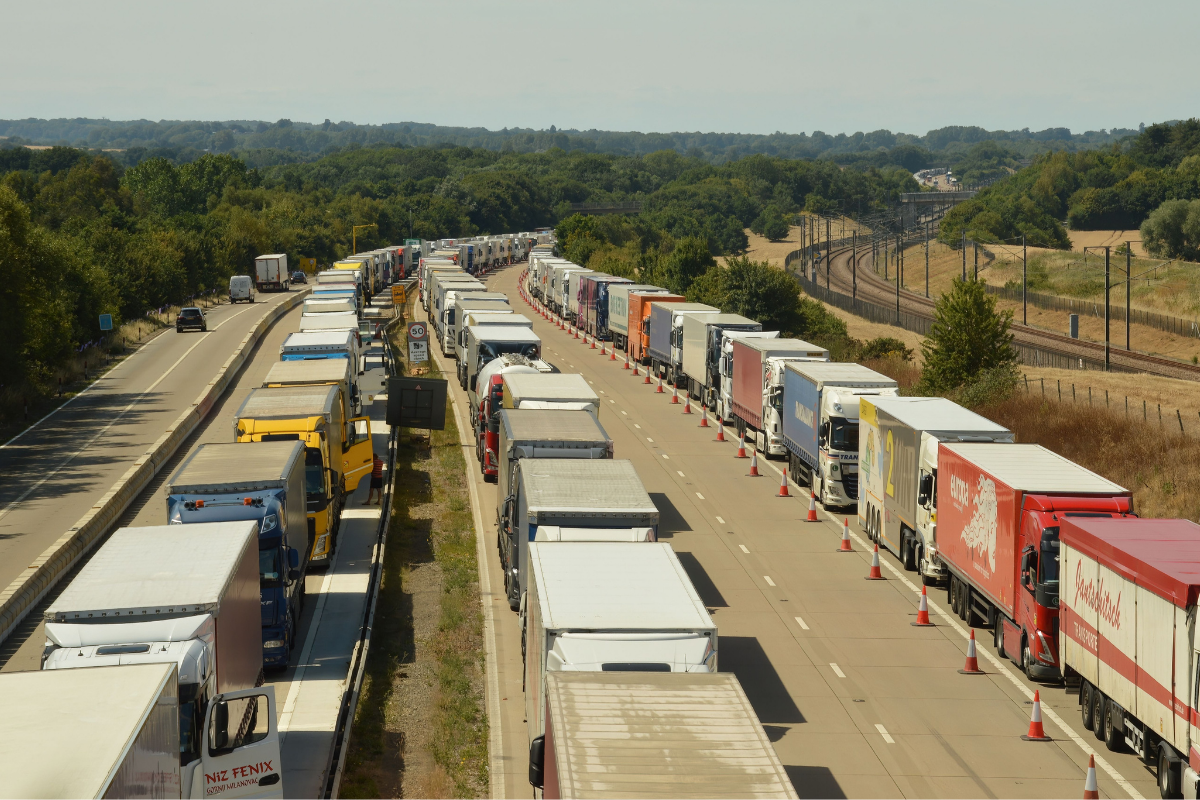
Capacity is another major factor. Capacity refers to the availability of trucks and carriers to move freight. When there are plenty of trucks available and less freight to move, carriers may have to compete for shipments. When there are more shipments than available trucks, the opposite can happen. Shippers may have to compete for limited capacity. The result can be higher transportation rates even if fuel prices have not changed much.
Seasonality can also play a role. Certain times of the year bring higher shipping volumes, which can put pressure on available trucks. Equipment matters, too. A shipment that requires specialized equipment may cost more than a standard truckload. So while fuel prices are important, they are only one piece of the freight-rate puzzle.
What Does This Mean for Shippers?
When diesel prices rise, businesses that ship freight may see their transportation costs increase. The impact can be especially noticeable for companies that:
- Ship freight long distances
- Move large amounts of freight
- Rely heavily on truckload transportation
- Frequently need expedited shipments
- Ship through markets with limited truck capacity
- Move freight across multiple regions
Even a small increase in the cost of each shipment can add up quickly when a company is moving hundreds or thousands of loads. That is why transportation planning becomes even more important when fuel prices are high.
Can You Reduce the Impact of Higher Fuel Prices?
You can’t control the price of diesel. But there are ways to manage your transportation network more efficiently.
Plan Ahead
Last-minute shipments can limit your options. When you have time to plan, your transportation provider may have more opportunities to find available trucks, compare options and build an efficient transportation plan.
Look for Consolidation Opportunities
Sometimes several smaller shipments can be combined into fewer, more efficient moves. Reducing the number of trucks needed can help lower transportation costs and make better use of available capacity.
Review Your Routes
The shortest route is not always the best route. Traffic, tolls, fuel costs, capacity and other factors can affect the actual cost of a shipment. Looking at your regular lanes can help identify opportunities to improve efficiency.
Understand Your Transportation Options
Not every shipment needs the same solution. Some freight may be better suited for standard truckload service. Other shipments may require expedited service, specialized equipment or another transportation option. Choosing the right solution for each shipment can help keep costs under control.
Work With a Transportation Partner
Having someone who understands the market can be especially helpful when conditions change. A transportation partner can help you look at available capacity, carrier options, pricing and service requirements instead of treating every shipment as a one-time transaction.
Don’t Focus Only on the Cheapest Truck
When fuel prices are high, it can be tempting to focus on finding the lowest possible freight rate. But the lowest quote does not always provide the best overall value. A carrier needs to be able to pick up the freight on time, deliver it as promised and provide the equipment and service the shipment requires.
A missed pickup or late delivery can create costs that are much greater than the difference between two freight quotes. That is why the goal should be finding the right transportation solution at a reasonable cost.
At NAL, we look at more than just the price of the truck. We consider the shipment, the timing, the lane, the equipment, available capacity and the carrier options available at that time. The goal is to find the right fit for the freight while keeping transportation costs in line with the market.
What Happens When Fuel Prices Come Back Down?
Fuel prices don’t move in only one direction. They rise, fall and change based on a variety of factors. When fuel prices decrease, fuel surcharges can also decrease depending on the terms of the carrier or customer agreement.
However, that doesn’t necessarily mean freight rates will drop by the exact same amount. Remember, fuel is only one part of the transportation market. If capacity is tight, demand is high or other operating costs have increased, those factors can continue to influence freight rates even when diesel prices are lower. That is why it is important to look at the bigger picture instead of reacting to one market change.
Keep an Eye on Fuel, But Watch the Whole Market
Fuel prices will always be an important part of transportation. But freight rates are also influenced by fuel costs, available capacity, demand, distance, equipment, seasonality and the specific needs of each shipment.
For shippers, understanding these factors can make it easier to understand changes in transportation costs and plan ahead. When fuel prices rise, there are still opportunities to improve efficiency. Better planning, shipment consolidation, route reviews and smart carrier selection can all make a difference.
And when the market changes again, having a transportation partner who understands those changes can help you respond.
At NAL, we’re here to help you navigate the market and find the right transportation solution for every shipment.
Whether you need help with a single shipment, regular freight or changing transportation needs, our team can help you find the right capacity and keep your freight moving.
Have questions about your freight costs? Talk with Native American Logistics today.